Nigerian Pidgin Phrases and Their Meanings (Complete Guide for Beginners & Visitors)
Learn common Nigerian Pidgin phrases and their meanings with examples. A complete beginner-friendly guide to speaking and understanding Naija Pidgin.

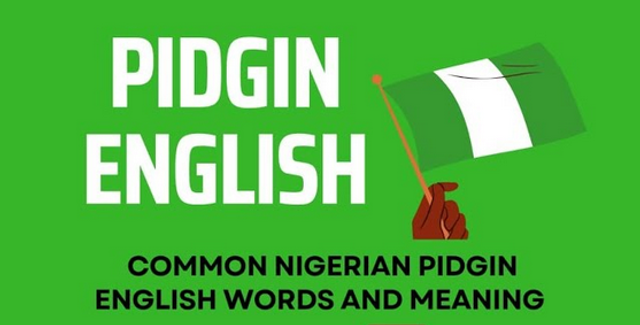
Nigerian Pidgin, also called Naija Pidgin, is one of the most widely spoken languages in Nigeria and West Africa. It cuts across tribes, education levels, and social classes, making it the true language of the streets, markets, music, and everyday life.
If you understand Pidgin, you can communicate with almost anyone in Nigeria—regardless of whether they speak Yoruba, Igbo, Hausa, or any of the country’s 500+ languages.
This guide provides a comprehensive list of Nigerian Pidgin phrases and their meanings, grouped by usage, explained clearly, and supported with real-life examples.
💡 Quick Summary:
Nigerian Pidgin is an English-based creole spoken across Nigeria. Common phrases include “How far?” (Hello), “Wetin?” (What?), “No wahala” (No problem), “Abeg” (Please), and “Wahala” (Trouble). This guide explains over 60 popular Pidgin expressions with meanings and usage examples.
What Is Nigerian Pidgin?
Nigerian Pidgin, also known as Naija Pidgin, is an English-based creole language spoken by millions of people across Nigeria and parts of West Africa. It developed through centuries of interaction between English and indigenous Nigerian languages such as Yoruba, Igbo, Hausa, and many others. Today, it serves as a common language that allows people from different ethnic backgrounds to communicate easily.
Unlike what many people assume, Nigerian Pidgin is not broken English. It has its own vocabulary, grammar, sentence structure, and pronunciation. While it borrows many words from English, it has evolved into a distinct language with expressions and rules that are uniquely Nigerian.
Because it is widely understood across the country, Nigerian Pidgin is spoken in homes, markets, schools, workplaces, public transportation, entertainment, and on social media. It bridges communication gaps between Nigeria's more than 500 languages and has become one of the country's most influential everyday languages.
One of the reasons Pidgin is so popular is its simplicity and flexibility. It allows people to communicate naturally regardless of their educational background or native language, making it the true language of everyday life in Nigeria.
Some of the most common Nigerian Pidgin words include:
- How far? — Hello / What's up?
- Wetin? — What?
- Abeg — Please.
- No wahala — No problem.
- Wahala — Trouble or problem.
- Sabi — To know or understand.
- Comot — Leave or move away.
Throughout this guide, you'll learn more than 60 of the most commonly used Nigerian Pidgin phrases, along with their meanings, examples, and practical usage in everyday conversations.
Common Nigerian Pidgin Greetings and How to Reply
Greetings are one of the first things you'll notice when listening to Nigerian Pidgin. Whether you're meeting friends, greeting neighbours, talking to classmates, chatting with colleagues, or buying something in the market, these expressions are used every day. Learning them is one of the fastest ways to sound natural and understand everyday conversations.
How you dey?
Meaning: How are you?
This is one of the most common ways to greet someone in Nigerian Pidgin.
Common replies:
- I dey fine. — I am fine.
- I dey okay. — I am okay.
- I dey kampe. — I am doing very well.
Example:
A: How you dey?
B: I dey fine. How you sef?
How far?
Meaning: Hello, What's up?, or What's happening?
"How far?" is one of the most popular greetings in Nigeria. It doesn't literally ask about distance; instead, it is a casual way of saying hello or asking how someone is doing.
Common replies:
- I dey.
- I dey fine.
- Everything dey okay.
- Nothing much.
Example:
A: How far?
B: I dey. Wetin dey happen?
How far now?
Meaning: What's happening now? / What's new?
This is a slightly more conversational version of "How far?" and is often used between friends.
Common replies:
- Nothing much.
- Everything dey okay.
- We thank God.
How una dey?
Meaning: How are you all?
This greeting is used when speaking to more than one person.
Common replies:
- We dey fine.
- We dey okay.
- We dey kampe.
How bodi?
Meaning: How are you feeling?
People often use this greeting to ask about someone's health or general wellbeing.
Common replies:
- Bodi dey okay.
- I dey alright.
- I dey fine.
You too much.
Meaning:
- Thank you.
- Well done.
- You're amazing.
- I appreciate what you've done.
Although the literal meaning sounds unusual in English, Nigerians use this expression to praise or appreciate someone's effort, kindness, or generosity.
Example:
You really helped me today. You too much!
Greeting Tips
In Nigerian Pidgin, greetings are usually short and friendly. You don't need long responses to sound natural. Simple replies like "I dey," "I dey fine," or "Everything dey okay" are enough in most conversations.
You'll also notice that many greetings are followed by another greeting or question rather than ending immediately. For example:
A: How far?
B: I dey. How you dey?
A: I dey fine.
This back-and-forth style of greeting is common across Nigeria and reflects the friendly nature of everyday conversations.
Nigerian Pidgin Grammar Basics
One of the reasons Nigerian Pidgin is easy to learn is that its grammar is simple and consistent. By understanding a few common words and sentence patterns, you'll be able to follow conversations more easily and build your own sentences with confidence.
Dey
Dey is one of the most important words in Nigerian Pidgin. It can mean am, is, are, at, or indicate that an action is happening, depending on the context.
Examples:
- I dey house. — I am at home.
- She dey school. — She is at school.
- I dey chop. — I am eating.
- We dey wait. — We are waiting.
- I dey tired. — I am tired.
You'll hear dey in everyday conversations because it replaces several English verbs.
Don
Don shows that something has already happened. It works similarly to have, has, or already in English.
Examples:
- I don chop. — I have eaten.
- We don reach. — We have arrived.
- She don finish work. — She has finished work.
Na
Na is used to identify, introduce, or emphasize a person or thing.
Examples:
- Na you. — It is you.
- Na my brother. — That is my brother.
- Na today I come. — I came today.
Abi
Abi is commonly used at the end of a sentence to ask for confirmation. It usually means right?, isn't it?, or correct?
Example:
- You go come, abi? — You will come, right?
- This food sweet, abi? — This food is delicious, isn't it?
Sabi
Sabi means to know, to understand, or to be skilled at something.
Examples:
- I sabi am. — I know it.
- She sabi cook. — She knows how to cook.
- You sabi drive? — Can you drive?
O
Adding "o" at the end of a sentence gives extra emotion, politeness, urgency, or emphasis. It doesn't change the meaning of the sentence but makes it sound more natural.
Examples:
- Thank you o!
- No vex o!
- Abeg help me o!
Repeating Words for Emphasis
Repeating certain words is a common feature of Nigerian Pidgin. It strengthens the meaning of what you're saying.
Examples:
- Well well. — Very much.
- Now now. — Immediately.
- Small small. — Gradually or little by little.
Putting It All Together
Once you understand words like dey, don, na, abi, and sabi, you'll begin to notice them in almost every Nigerian Pidgin conversation. Mastering these few grammar basics will make it much easier to understand native speakers and form your own sentences naturally.
Nigerian Pidgin Translation Examples
Many people search for direct translations between English and Pidgin. The examples below show how everyday English phrases are commonly expressed in Nigerian Pidgin.
| English | Nigerian Pidgin |
|---|---|
| Hello | How far? |
| How are you? | How you dey? |
| What’s happening? | Wetin dey happen? |
| Please help me | Abeg help me |
| I don’t know | I no know |
| I want to eat | I wan chop |
| I am hungry | I dey hungry |
| I am at home | I dey house |
| I am coming | I dey come |
| I miss you | I dey miss you |
These translations are not always one-to-one, because Pidgin depends a lot on tone and context. Still, these examples are useful for beginners who want to understand the most common expressions quickly.
Everyday Nigerian Pidgin Conversation Phrases
Once you've learned the basic greetings and grammar, the next step is to become familiar with everyday expressions. These are the phrases you'll hear regularly in homes, schools, offices, markets, public transport, and social media conversations across Nigeria.
Wetin?
Meaning: What?
One of the most common question words in Nigerian Pidgin.
Example:
Wetin happen?
What happened?
Wetin dey happen?
Meaning: What's happening? / What's going on?
This is a casual way of asking someone what's new or what's going on.
Example:
Wetin dey happen for here?
What's happening here?
Abeg
Meaning: Please.
"Abeg" is one of the most widely used words in Nigerian Pidgin. It can be used to politely ask for help, make a request, or even soften a statement.
Examples:
- Abeg help me small.
- Abeg wait for me.
- Abeg no vex.
No wahala
Meaning: No problem. / It's okay. / Don't worry.
This phrase is commonly used to reassure someone or respond after being thanked or apologized to.
Examples:
- Thank you.
- No wahala.
- Sorry.
- No wahala.
I no know / I no sabi
Meaning:
- I don't know.
- I don't understand.
Although both expressions are similar, "I no know" usually refers to not knowing a fact, while "I no sabi" can also mean not understanding something or not having a particular skill.
Examples:
- I no know where e dey.
- I no sabi drive.
Gi mi
Meaning: Give it to me.
Example:
Gi mi my phone.
Wetin you dey do?
Meaning: What are you doing?
Example:
Wetin you dey do this evening?
I dey house.
Meaning: I am at home.
I dey come.
Meaning: I am on my way.
In some situations, Nigerians also say "I dey come" just before stepping away briefly, similar to saying "I'll be right back."
You dey go?
Meaning: Are you leaving? / Are you going?
I dey chop.
Meaning: I am eating.
I dey tired.
Meaning: I am tired.
I dey vex.
Meaning: I am angry or upset.
Come make we talk.
Meaning: Come, let's talk.
Make I go.
Meaning: Let me go.
This expression is commonly used when politely ending a conversation or leaving a place.
A Short Everyday Conversation
Here's how several of these expressions fit together in a natural conversation:
A: How far?
B: I dey. Wetin dey happen?
A: Nothing much. Wetin you dey do?
B: I dey chop.
A: No wahala. Make I go.
B: Safe journey.
Learning these expressions will help you understand everyday conversations much faster because they are among the most commonly used phrases in Nigerian Pidgin.
Food, Hunger, and Daily Life Expressions
Food is central to Nigerian culture, and Pidgin reflects that.
I wan chop
Meaning: I want to eat
I dey H
Meaning: I am hungry
(H stands for hunger)
Hunger dey tear my belle
Meaning: I am extremely hungry
Dis food sweet well well
Meaning: This food is very delicious
You don chop?
Meaning:
- Have you eaten?
- Are you doing well financially? (context-based)
Nigerian Pidgin Slang and Idioms
These phrases add color and emotion to speech.
Wahala
Meaning: Trouble or problem
- Wahala dey – There’s a problem
K-leg
Meaning: Suspicious or untrue
Example: Your story get k-leg.
Water don pass garri
Meaning: The situation has gone too far to control
God don butter my bread
Meaning: God has answered my prayers
E be like film
Meaning: It feels unreal / unbelievable
How to Say "I Miss You" and "I Love You" in Nigerian Pidgin
Nigerian Pidgin isn't only for casual conversations—it is also widely used to express love, affection, appreciation, and friendship. Whether you're talking to a romantic partner, a close friend, or a family member, these expressions help you communicate your feelings in a natural and heartfelt way.
I dey miss you.
Meaning: I miss you.
This is the most common way to tell someone you miss them.
Example:
Baby, I dey miss you.
I miss you well well.
Meaning: I miss you very much.
Adding "well well" emphasizes the emotion.
I dey love you.
Meaning: I love you.
A simple and direct way to express love.
Example:
I dey love you with all my heart.
You dey my mind.
Meaning: You are on my mind.
This expression tells someone you've been thinking about them.
Na only you dey my eye.
Meaning: You're the only person I care about.
This romantic expression means your attention and affection are focused on one person.
I like you well well.
Meaning: I like you very much.
This phrase can be used in both romantic and friendly contexts.
You dey my heart.
Meaning: You are in my heart.
A warm way of expressing deep affection.
I no fit forget you.
Meaning: I cannot forget you.
This phrase is often used after spending time apart or when expressing strong emotional attachment.
Example Conversation
A: Baby, I dey miss you well well.
B: I dey miss you too.
A: You dey my mind every day.
B: I dey love you too.
These expressions are commonly used in conversations, text messages, social media posts, and love letters. While the exact wording may vary slightly across different regions of Nigeria, the meanings remain widely understood.
Movement, Traffic, and Location Phrases
Comot
Meaning:
- Leave
- Get out
- Go away
Examples:
- Make we comot – Let’s go
- Comot for road – Move aside
Go slow
Meaning: Traffic jam
Where you dey go?
Meaning: Where are you going?
Emotions, Attitude, and Reactions
Vex
Meaning: Angry or upset
You dey tear head
Meaning: You are troublesome or hot-tempered
I no gree
Meaning: I disagree
Abi?
Meaning: Right? / Isn’t it?
Street Expressions and Warnings
Park well
Meaning:
- Behave yourself
- Be careful
- Don’t try nonsense
Bone that thing
Meaning: Forget it / Ignore it
I go enter you
Meaning: I will attack you (a serious warning)
Why Nigerian Pidgin Is So Important
- It unites Nigerians across tribes
- It’s used in music, comedy, films, and social media
- It removes social barriers
- It helps foreigners integrate quickly
Speaking even small Pidgin earns instant respect and friendliness.
Conclusion
Nigerian Pidgin is more than slang—it’s a living language that reflects Nigerian identity, humor, resilience, and creativity. Whether you’re a student, visitor, content creator, or Nigerian abroad, understanding Pidgin helps you connect deeper with people and culture.
If you can say “How far?” confidently, you’re already halfway Nigerian.
FAQs
What does “How far?” mean in Nigerian Pidgin?
It means “Hello” or “What’s happening?”
Is Nigerian Pidgin a real language?
Yes. It has structure, grammar, and millions of speakers.
Is Pidgin acceptable in formal settings?
Pidgin is informal and best used socially, not in official documents.
Do all Nigerians understand Pidgin?
Most Nigerians understand it, especially in urban areas.
About the Author
Mohammad-Jamiu B. Balogun, GMNSE
AI Security Researcher · Founder, MonoEd Africa
Mohammad-Jamiu is a First-Class Telecommunications Engineer and Best Graduating Student, BUK '24, and an AI security researcher. He founded MonoEd Africa to give Nigerian students AI-powered academic tools — from SIWES logbooks to final year projects. His work has reached over 10,000 students across Nigeria.