SIWES Report for Public Health Students: Structure, Tasks and Sample
How to write your Public Health SIWES or practicum report: outreach, surveillance and data work, with a sample and privacy tips.

Public Health students train in hospitals, health centres, ministries of health, NGOs and environmental health units. It might be community outreach one week and data entry the next. A good report pulls these into one clear story about how you applied what you learned.
Some schools call this SIWES and others call it practicum or field attachment. Follow your department's format first. If you're an open-university student, see our guides on the MIVA public health practicum logbook and sample practicum logbook entries.
What makes a Public Health report different
- Focus on populations and prevention, not only individual patients.
- Protect privacy. Never include patient names or identifiable details.
- Name the programme or activity. For example immunisation outreach, malaria prevention, nutrition screening or water and sanitation inspection.
- Show the method. Surveys, screening, health talks, surveillance reporting or inspection.
- Use numbers carefully. Include only figures you were given or recorded yourself, and keep them anonymous.
Where Public Health students usually train
- Primary health centres and general hospitals
- State and local government health departments
- NGOs and international health programmes
- Environmental health and sanitation units
- Research institutes and university health centres
- Schools and community organisations
Use the SIWES Finder to look for places that suit your course.
Tasks you can write about
Community and education
- Health talks (hygiene, nutrition, malaria, immunisation)
- Community outreach and house visits
- Preparing posters and education materials
- Working with community health workers
Surveillance and data
- Collecting data with forms or mobile apps
- Entering and checking records
- Helping to prepare weekly or monthly reports
- Simple analysis with Excel, SPSS or similar tools
Clinical support (basic)
- Vital signs, weight and height for screening
- Registration, record keeping and patient flow
- Immunisation clinic support (under supervision)
Environmental health
- Sanitation inspections
- Water quality checks
- Food hygiene visits
Programme work
- Planning outreach activities
- Attending meetings and taking minutes
- Monitoring and reporting
Chapter by chapter
Chapter One: Introduction
Background of SIWES, aims and objectives, and scope. Keep it short. See how to write SIWES Chapter One.
Chapter Two: Profile of the organisation
History, services, structure, departments and an organogram. Mark your unit. See the organogram guide.
Chapter Three: Work done
Group by activity. For example:
- Orientation and ethics (confidentiality, safety)
- Health education and outreach
- Data collection and reporting
- Clinic or environmental tasks
- Meetings and programme support
Example (fictional, for style only):
In the fifth week, I joined a health team on an outreach to a rural community to promote the use of insecticide-treated nets. I helped to register participants, delivered a short health talk in simple language, and demonstrated how to hang a net properly. I recorded the number of households reached on the tally sheet. After the visit, I entered the data into the weekly report form. I learned that clear, simple messages and demonstration help people understand health advice better.
Chapter Four: Equipment and tools used
Explain each item in three or four sentences. Examples:
- Weighing scale, height board and blood pressure apparatus
- Registers, tally sheets and data collection forms
- Mobile data collection apps (if used)
- Computer with Microsoft Excel or SPSS
- Posters, flip charts and demonstration materials
- Personal protective equipment
- Water testing kits (if used)
Chapter Five: Summary, problems and recommendations
Summarise the training. Name real problems (limited supplies, distance to communities, community resistance) and how you handled them, then give a conclusion and recommendations.
See the SIWES technical report format guide for the general layout.
Common mistakes
- Including patient names or identifiers.
- Writing a list of diseases instead of what you did.
- No methods or numbers.
- Listing tools without explaining them.
- Copying a classmate's report.
Saving time
Describe your training in a few lines and the MonoEd SIWES Report Generator drafts the report in your school's layout. Try the first two chapters free. Pair it with the SIWES Logbook for your weekly entries.
Frequently Asked Questions (FAQs)
What should a Public Health SIWES report contain?
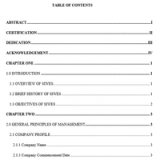
A cover page, certification, acknowledgement, abstract or overview, table of contents, and chapters on introduction, organisation profile, work done, equipment used, and summary with recommendations. Check whether your school uses four or five chapters.
Is it SIWES or practicum?
It depends on your school. Some use SIWES and others use practicum or field attachment. The report structure is similar, so ask your department which format to follow.
Can I include patient data?
No. Keep everything anonymous and use only general numbers and descriptions.
What if I only did data entry?
Write it in detail: the forms, the records you checked, errors you corrected and tools you used. See what to write when there was little work.
How is this different from a Medical Laboratory or Microbiology report?
Public Health reports focus on communities, prevention and programmes, while laboratory reports focus on tests and procedures. See the Microbiology SIWES report for comparison.
About the Author
Mohammad-Jamiu B. Balogun, GMNSE
AI Security Researcher · Founder, MonoEd Africa
Mohammad-Jamiu is a First-Class Telecommunications Engineer and Best Graduating Student, BUK '24, and an AI security researcher. He founded MonoEd Africa to give Nigerian students AI-powered academic tools — from SIWES logbooks to final year projects. His work has reached over 10,000 students across Nigeria.